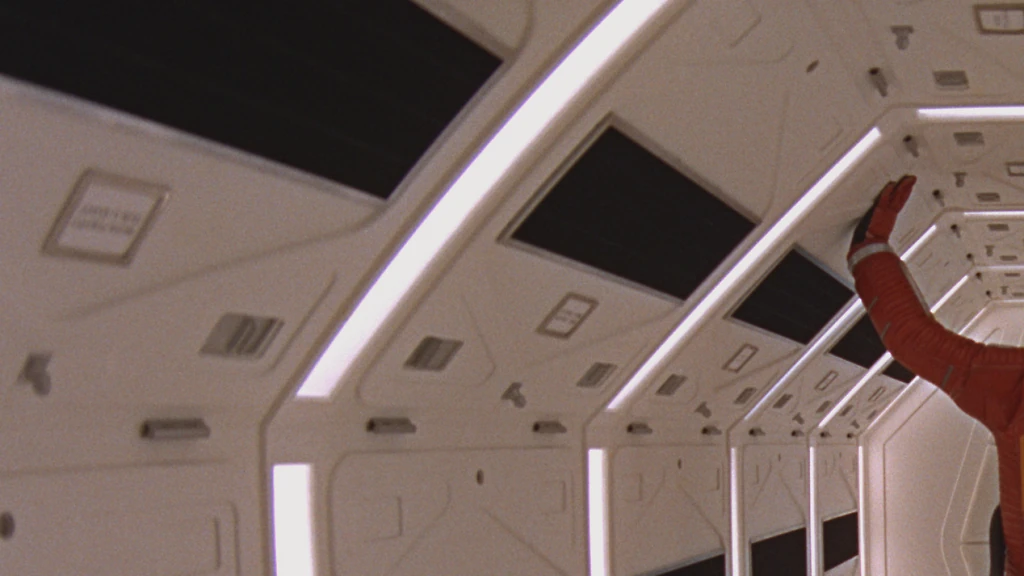
The greatest film ever made began with the meeting of two brilliant minds: Stanley Kubrick and sci-fi seer Arthur C Clarke. ‘I understand he’s a nut who lives in a tree in India somewhere,’ noted Kubrick when Clarke’s name came up – along with those of Isaac Asimov, Robert A Heinlein and Ray Bradbury – as a possible writer for his planned sci-fi epic. Clarke was actually living in Ceylon (not in India, or a tree), but the pair met, hit it off, and forged a story of technological progress and disaster (hello, HAL) that’s steeped in humanity, in all its brilliance, weakness, courage and mad ambition. An audience of stoners, wowed by its eye-candy Star Gate sequence and pioneering visuals, adopted it as a pet movie. Were it not for them, 2001 might have faded into obscurity, but it’s hard to imagine it would have stayed there. Kubrick’s frighteningly clinical vision of the future – AI and all – still feels prophetic, more than 50 years on.
2. THE GODFATHER (1972)
From the wise guys of Goodfellas to The Sopranos, all crime dynasties that came after The Godfather are descendants of the Corleones: Francis Ford Coppola’s magnum opus is the ultimate patriarch of the Mafia genre. A monumental opening line (“I believe in America”) sets the operatic Mario Puzo adaptation in motion, before Coppola’s epic morphs into a chilling dismantling of the American dream. The corruption-soaked story follows a powerful immigrant family grappling with the paradoxical values of reign and religion; those moral contradictions are crystallized in a legendary baptism sequence, superbly edited in parallel to the murdering of four rivaling dons. With countless iconic details—a horse’s severed head, Marlon Brando’s wheezy voice, Nino Rota’s catchy waltz—The Godfather’s authority lives on.
3. CITIZEN KANE (1941)
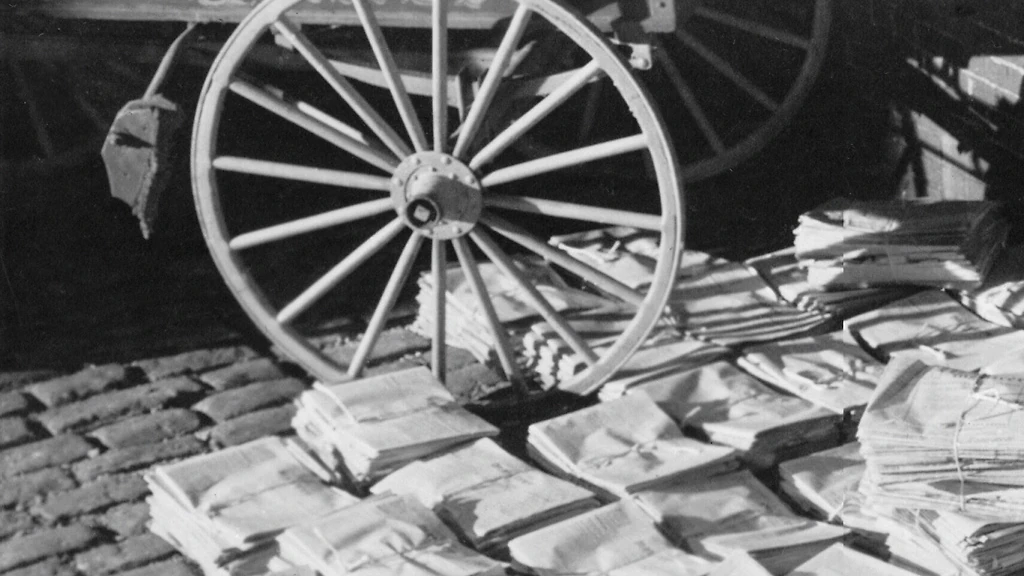
At this point, Orson Welles’ epochal masterpiece exists in the same sphere as ‘Sgt. Pepper’s Lonely Hearts Club Band’, ‘The Great Gatsby’and any other piece of art referred to as an ‘epochal masterpiece’ so pervasively that younger generations increasingly feel the need to poke holes in its greatness. But here’s the thing about Citizen Kane: it’s still pretty damn great, and might be more relevant now than it has ever been – after all, power-hungry tycoons with populist leanings have sort of been in the news lately. If it’s harder to recognise its stylistic and narrative innovations, that’s only because they’re now part of the common language of cinema. But it still has the capacity to dazzle modern audiences, whether through Gregg Toland’s otherworldly cinematography or its engrossing story of the American Dream in freefall.
4. JEANNE DIELMAN,23, UAI DU COMMERCE, 1080 BRUXELLES
(1975)
Long considered a feminist masterpiece, Chantal Akerman’s quietly ruinous portrait of a widow’s daily routine—her chores slowly yielding to a sense of pent-up frustration—should take its rightful place on any all-time list. This is not merely a niche film, but a window onto a universal condition, depicted in a concentrated structuralist style. More hypnotic than you may realize, Akerman’s uninterrupted takes turn the simple acts of dredging veal or cleaning the bathtub into subtle critiques of moviemaking itself. (Pointedly, we never see the sex work Jeanne schedules in her bedroom to make ends meet.) Lulling us into her routine, Akerman and actor Delphine Seyrig create an extraordinary sense of sympathy rarely matched by other movies. Jeanne Dielman represents a total commitment to a woman’s life, hour by hour, minute by minute. And it even has a twist ending.
5. RAIDERS
OF THE LOST ARK (1981)
Starting with a dissolve from the Paramount logo and ending in a warehouse inspired by Citizen Kane, Raiders of the Lost Ark celebrates what movies can do more joyously than any other film. Intricately designed as a tribute to the craft, Steven Spielberg’s funnest blockbuster has it all: rolling boulders, a barroom brawl, a sparky heroine (Karen Allen) who can hold her liquor and lose her temper, a treacherous monkey, a champagne-drinking villain (Paul Freeman), snakes (“Why did it have to be snakes?”), cinema’s greatest truck chase and a barnstorming supernatural finale where heads explode. And it’s all topped off by Harrison Ford’s pitch-perfect Indiana Jones, a model of reluctant but resourceful heroism (look at his face when he shoots that swordsman). In short, it’s cinematic perfection.
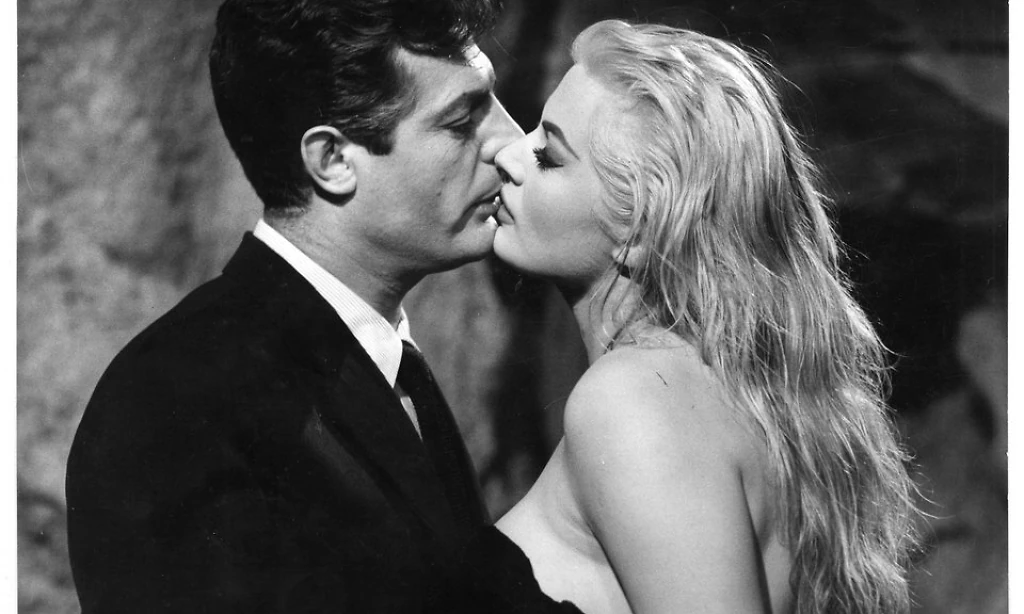
6. LA
DOLCE VITA (1960)
Made in the middle of Italy’s boom years, Federico Fellini’s runaway box-office hit came to define heated glamour and celebrity culture for the entire planet. It also made Marcello Mastroianni a star; here, he plays a gossip journalist caught up in the frenzied, freewheeling world of Roman nightlife. Ironically, the movie’s portrayal of this milieu as vapid and soul-corrodingly hedonistic appears to have passed many viewers by. Perhaps that’s because Fellini films everything with so much cinematic verve and wit that it’s often hard not to get caught up in the delirious happenings onscreen. So much of how we view fame still dates back to this film; it even gave us the word paparazzi.
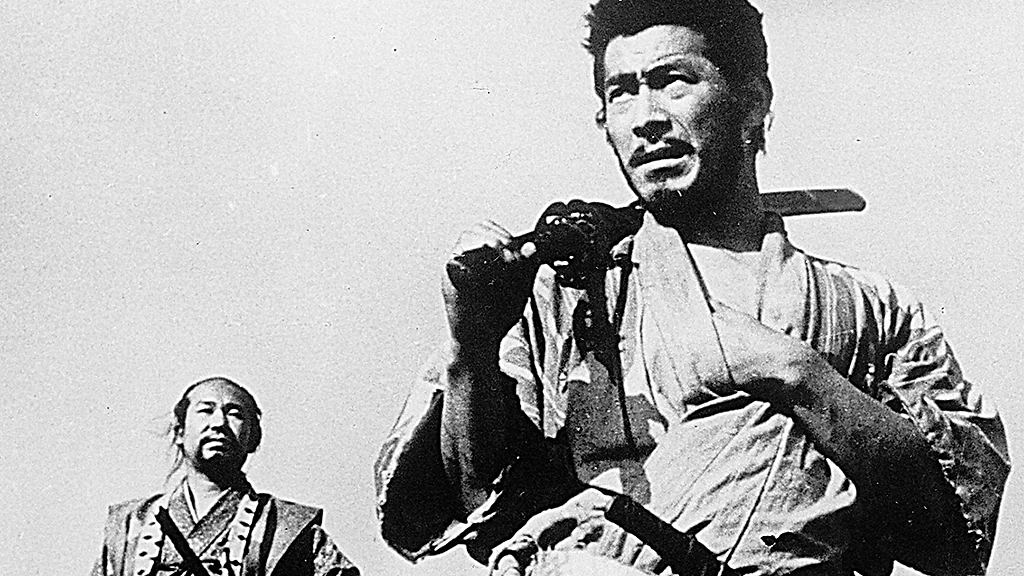
7. SEVEN SAMURAI (1954)
It’s the easiest 207 minutes of cinema you’ll ever sit through. On the simplest of frameworks—a poor farming community pools its resources to hire samurai to protect them from the brutal bandits who steal its harvest—Akira Kurosawa mounts a finely drawn epic, by turns absorbing, funny and exciting. Of course the action sequences stir the blood—the final showdown in the rain is unforgettable—but this is really a study in human strengths and foibles. Toshiro Mifune is superb as the half-crazed self-styled samurai, but it’s Takashi Shimura’s Yoda-like leader who gives the film its emotional center. Since replayed in the Wild West (The Magnificent Seven), in space (Battle Beyond the Stars) and even with animated insects (A Bug’s Life), the original still reigns supreme.
8. IN THE MOOD FOR LOVE (2000)
Can a film really be an instant classic? Anyone who watched In The Mood for Love when it was released in 2000 may have said yes. The second this love story opens, you sense you are in the hands of a master. Wong Kar-wai guides us through the narrow streets and stairs of ’60s Hong Kong and into the lives of two neighbors (Maggie Cheung and Tony Leung) who discover their spouses are having an affair. As they imagine—and partly reenact—how their partners might be behaving, they fall for each other while remaining determined to respect their wedding vows. Loaded with longing, the film benefits from no less than three cinematographers, who together create an intense sense of intimacy, while the faultless performances shiver with sexual tension. This is cinema.
9. THERE
WILL BE BLOOD (2007)
On the road to becoming the most significant filmmaker of the last 20 years, Paul Thomas Anderson transformed from a Scorsesian chronicler of debauched LA. life into a hard-nosed investigator of the American confidence man. The pivotal point was There Will Be Blood, an epic about a certain kind of hustler—the oil baron and prospector. Daniel Plainview is, in the final analysis, an ultra-scary Daniel Day-Lewis who will drink your milkshake. Scored by Radiohead’s Jonny Greenwood (himself emerging as a major composer), Anderson’s mournful epic is the true heir to Chinatown’s bone-deep cynicism. As Phantom Thread makes clear, Anderson hasn’t lost his sense of humor, not by a long shot. But there once was a moment when he needed to get serious, and this is it.
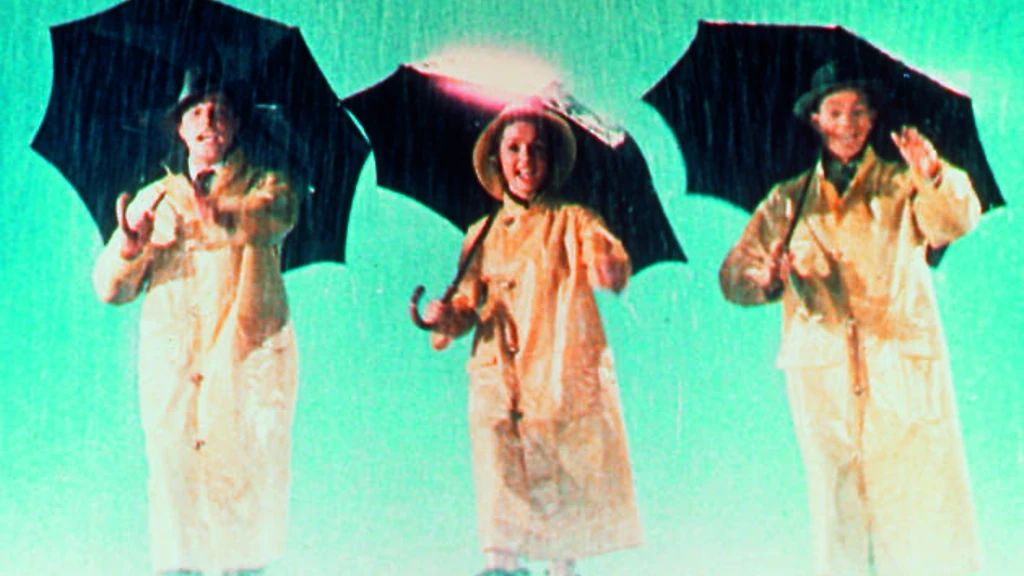
10. SINGIN’
IN THE RAIN (1952)
MGM’s glorious epitaph to cinema’s silent era remains the purest kind of serotonin rush. Its trio of dancers—rubber-faced Donald O’Connor, sparkling newcomer Debbie Reynolds and co-director and headline act Gene Kelly—are a triple threat, nailing the stellar songs, intricate and physically demanding dance routines and selling all the comic beats with consummate skill. But kudos also belongs to Betty Comden and Adolph Green, whose effervescent screenplay provides the beat for the spectacle to move to, and Jessica Hagen, whose often-overlooked turn as croaky silent star Lina Lamont is the movie’s funny-sad counterpoint. Not forgetting co-director Stanley Donen, who was always happy to let his stars take the credit but deserves an equal share for a musical that never puts a foot wrong.




0 Comments